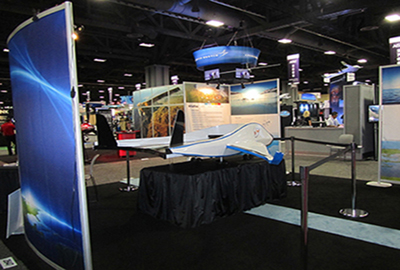
Air-Based Air Defense System - Close-Range Interceptors
EQQUERA: Technological invention of a multi-layered “air-based air defense system” – the fourth layer of interceptors and modern deterrence strategies - invented and designed to counter close-range missiles, massed UAVs, and drone swarm threats for next-generation modern warfare.
(Note: the sensitive, secret, and vital characteristics of the invention, including technological features, are not publicly available, neither in the patent disclosure nor on the website.)
This technological invention of a close-range air-based air defense system is designed to provide counter-drone solutions to address long-overdue security issues and concerns of UAVs and drones carrying nuclear and other weapons of mass destruction (WMD), chemical, biological, radiological, and their delivery systems, which have not received much attention since the Cold War era.
This issue was a significant concern in the 1980s during the post-Cold War era among G7 Nations. According to the USAF Air Power Study, no solutions have been found or developed. This lack of attention is further highlighted by ongoing drone warfare between Russia and Ukraine and unrest in the Middle East.
EQQUERA technological invention
The "Technological invention" is a new and improved multi-layer, close-range Air-based air defense system - the fourth-layer interceptors designed to detect, defend, suppress, and destroy close-range UAVs, drones, and missile threats.
The “THE-BEES” modern war-fighting architecture and maneuver warfare strategy
The “THE-BEES” war-fighting systems and platforms are designed to enhance air supremacy and information superiority in modern warfare, enabling the military to establish an interoperable framework for maneuver warfare.
Specifically build a multi-domain systems-of-systems architecture that integrates data and operations with modern technologies - such as combined sensors, networks, and AI-supported coordination and communication systems for rapid decision-making and seamless interoperability across multiple platforms and domains.
In 2023, the United States vision - replicator for modern drone warfare
“Imagine a swarm of hundreds or even thousands of unmanned aerial drones, communicating with each other as they collect intelligence on enemy troop movements, and you will begin to understand the Deputy Secretary’s vision for Replicator. Even if a sizable number of the drones were shot down, the information they’d gathered would have already been recorded and sent back to human operators on the ground.” (Credit: Sept. 7, 2023 | By Jim Garamone, DOD News)
Aug. 28, 2025 - the US Defense Secretary Pete Hegseth calls for an Anti-Drone Task Force to stop a large-scale missile attack. Secretary Hegseth said via a video message released to the public. "Our job here at the Pentagon — when you think about it — is to prepare for the threats of the future and build a force to match them, and defeat them, and outpace them," - "And there's no doubt that the threats we face today from hostile drones grow by the day," he added. (Ref: The US Department of War - Matthew Olay-DoD news)
EQQUERA Technological Invention of air-based air defense system and the "THE-BEES" maneuver warfare strategies
EQQUERA Technological innovation of air-based air defense system involves a large family of UAVs and drones (hundreds or thousands) that are interconnected and interlinked with each other, as well as interoperability with manned and unmanned and space-based and ground-based systems that can detect, suppress, and destroy close-range UAVs, drones, and cruise missiles across all domains - air, sea, land, space, and cyberspace.
The Air-based air defense system comprises a family of unmanned aerial vehicles (UAVs) and drones: the Mother UAV (Mother hen) carrying a fleet of sub-UAVs (chicks), and the sub-UAVs carrying a fleet of Mini-UAVs (Grand chicks) that launch and recover in midair, referred to as the “Mother hen and parasite chicks - Air-based air defense system (MHPC-ABAD system) or EQQUERA Air-based air defense system.
The Air-based air defense system comprises a system-of-systems architecture and platforms that can contribute to enhancing the range of multi-mission capabilities, including all that are connected and interlinked into integrated communications and operations platforms with manned and unmanned systems, space systems, and ground systems across all domains (air, sea, land, space, and cyberspace) - to contribute to enhancing air superiority and information superiority.
EQQUERA, the "T-H-E-BEES" modern maneuver and attrition warfare systems and platforms
The EQQUERA Air-based air defense system comprises unique and first-ever UAVs and drone-on-drone warfighting systems and platforms designed with interoperable manned-unmanned, space, and ground-based systems that work together to enhance 360-degree, multi-directional air defense systems to enhance air power capabilities - rather than just one-way direction of UAVs and drones in the sky.
The “THEBEES” war-fighting system concept is designed mainly to build dominant air power capabilities beyond traditional warfare. It enables the military to combine modern air maneuver and attrition warfare systems, close-range air defense, and an operational and communications system-of-systems architecture for new air dominance.
The EQQUERA Air-based air defense system extends beyond traditional systems and platforms - interconnecting UAVs and drone communications with space-based systems, such as the proposed US “Golden Dome,” space-based air defense systems, and ground-based systems, such as Israel's “Iron Dome” interceptors.
The “T-H-E-BEES" modern war-fighting techniques
["T" - Trojan Horse] - Stowing like a Trojan Horse: The Mother UAV (Mother hen) is designed as a flying aircraft carrier in the sky - similar to a traditional aircraft carrier at sea. The Mother hen is designed to stow and transport a large number of Sub UAVs, which carry a significant number of Mini UAVs, in the belly of the Mother UAV, similar to the famous Greek Trojan Horse story.
["H" - Hummingbird] - Operate like a Hummingbird: The Sub UAVs and Mini UAVs are designed with multiple operating systems, including the ability to make sudden changes in flight patterns and direction, and to control speed and hover, similar to a hummingbird. These features are integrated into UAV and drone warfighting strategies, enabling sudden changes in speed and altitude, as well as long-duration hovering at various altitudes.
["E" - Eagle] - Flying like an Eagle:Eagles are unique birds with extremely powerful eyesight that enables them to spot prey from long distances and grab them without landing on the ground. The Mother UAV and all subsystems are designed with the latest emerging technologies and equipment, providing significant capability to perform large-scale ISR and deliver effective strikes in highly contested environments.
["BEES"] – Attack like a swarm of “BEES”:Position strike targets and counter defense capabilities with a large number of UAVs and Mini UAVs. This provides fleets of small unmanned aerial vehicles that can approach conflict zones and perform multifunctional missions. Some can conduct jamming missions; others provide high- and low-level ISR, camouflage dummy vehicles to distract the enemy, strike capabilities against moving targets (including laser-designating targets), and the ability to identify and defeat enemies' and adversaries' WMD weapons.
Artificial Intelligence - AI System
The Air-Based Air Defense System is further designed with Artificial Intelligence (AI)-driven warfare strategies, leveraging machine learning capabilities with and without satellite communications to enhance ISR (Intelligence, Surveillance, Reconnaissance) and anti-access/area denial (A2/AD) military strategies.
The AI strategy focuses on researching and analyzing the origins of 1950s Artificial Intelligence (AI) technologies, their influence, and the continuity of robotic developments for 21st-century warfare.
Connectivity with the US "Golden Dome" multi-layered missile defense system and ground-based systems, such as Israel's "Iron Dome" and other defense systems
The technological invention is further designed with communications and battle management connectivity that integrates military and civil manned and unmanned systems and platforms, including connectivity with the proposed "Golden Dome interceptors" (Ref: Golden Dome Could Learn from SDI Politics -Rand Corp.) as well as "Iron Dome interceptors" (Ref: Is Iron Dome a Poisoned Chalice? Strategic Risks from Tactical Success - Rand Corp.) - and connectivity across all domains - air, sea, land, space and cyberspace to enhance air superiority and information superiority over adversaries, enemies and non-state actors.
Most importantly, to intercept and defeat threats that the existing "Iron Dome" and the proposed "Golden Dome" systems cannot defend against, including the system that can contribute to the European Union's newly proposed “Drone Wall” air defense system.
Europe Drone Wall System
French President Emmanuel Macron said after the European Political Community (EPC) summit in Copenhagen, “Anti-drone system, our top priority in the war in Ukraine and for our own security, and the recent events are the perfect, perfect illustration of that.” Further said that “Europe must scale up its air defense and deterrence capacities rather than rely on the idea of a “drone wall,” which he described as “not totally feasible.”
AUVSI 2013 Washington DC. USA